
Unvaccinated pets are a danger to the community. Vaccines and proper veterinary care are two of the most important aspects of pet ownership. The cost of preventatives, like vaccines, are much cheaper than treatment for a disease, and better than the heartbreak that comes with illness and possible death of your pet.
- CONTACT INFORMATION
- animals@amarillo.gov
-
Front Desk:
806-378-9032 -
Field Officer Request:
806-378-3038 -
Adoptions:
806-378-6483 -
3501 S Osage St
Amarillo, TX 79118 -
Tuesday – Saturday:
10:00 am – 6:00 pm
Essential Vaccines
Your cooperation with keeping up with the following vaccines will make Amarillo and the surrounding area a safer and healthier place to live. Contact your veterinarian for questions and to schedule vaccines for your pet, or if your pet is showing signs of illness.
- Rabies Vaccination: Legally required for both cats and dogs.
- Dogs’ Essential Vaccines: DHPP protects against distemper, parvovirus, hepatitis, and parainfluenza. This is highly recommended for your pet’s well-being.
- Cats’ Essential Vaccines: FVRCP protects against feline viral rhinotracheitis, calicivirus, and panleukopenia.
Diseases: Signs, Symptoms, and Prevention
Parvovirus
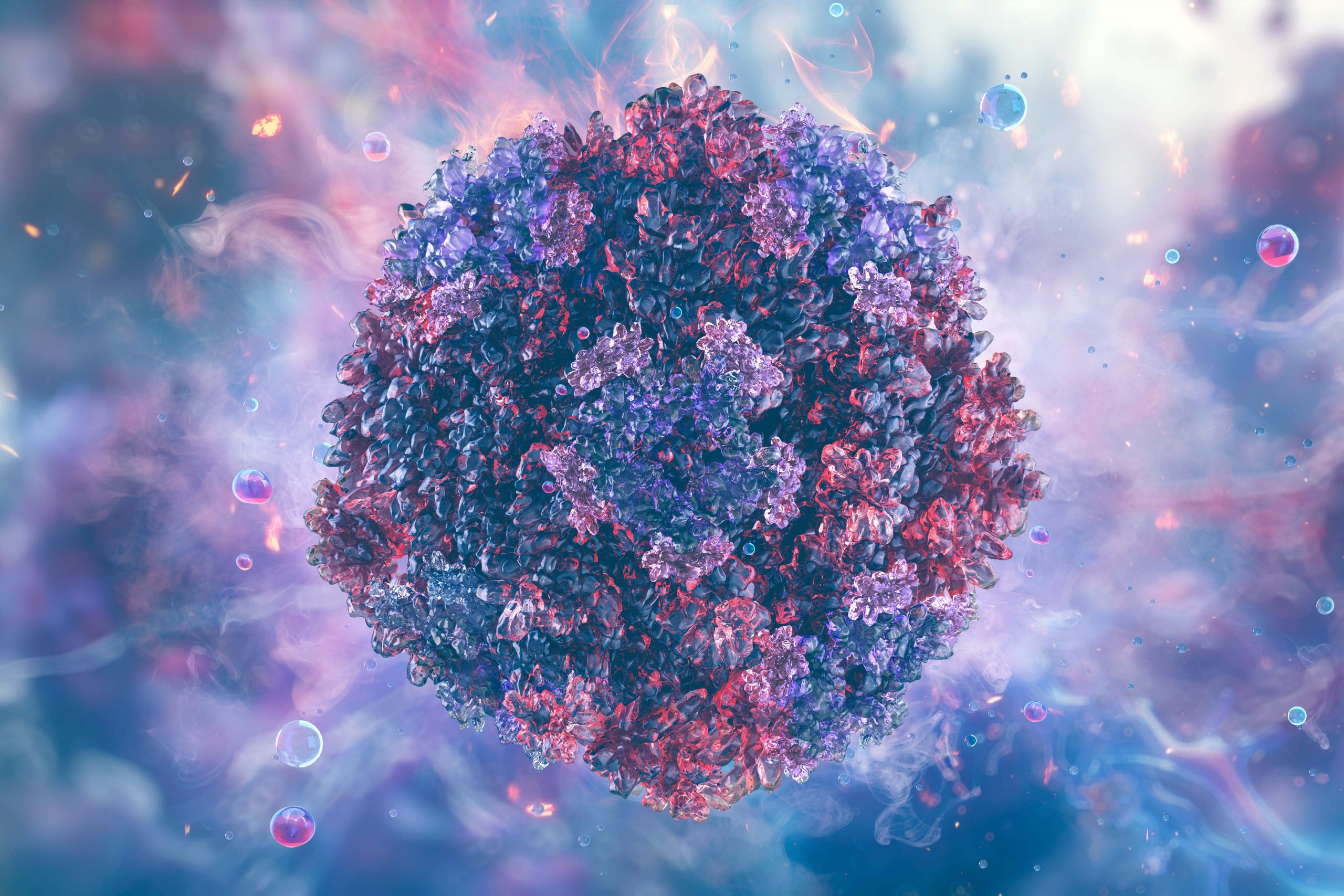
Parvovirus Overview
What is Parvovirus?
Parvovirus, also known as parvo, is a highly contagious virus that affects the digestive tract, preventing the absorption of food and water.
Risk of Parvovirus
- Puppies younger than four months old are at the highest risk.
- Any unvaccinated or immune-compromised dogs are vulnerable
Symptoms of Parvovirus
- Loss of appetite
- Decreased water intake
- Vomiting, and/or bloody diarrhea
- Fever
- Depression
Parvovirus Prevention
- Proper administration of vaccinations is the best preventative measure.
- Follow a proper vaccination schedule for both puppies and adult dogs.
- Vaccinations given by a veterinarian should begin at 6-8 weeks of age, with two more boosters given every 3-4 weeks.
- Avoid public places such as parks, pet shops, grooming, etc., until fully vaccinated.
- Wash your hands and avoid handling other puppies and dogs not in your household.
Parvovirus Treatment
There is no cure for parvo, only supportive care can increase chances of survival. Medical treatment may take days to weeks to recover from the effects of parvo. Unfortunately, treatment does not always guarantee survival with this highly contagious disease.
Distemper
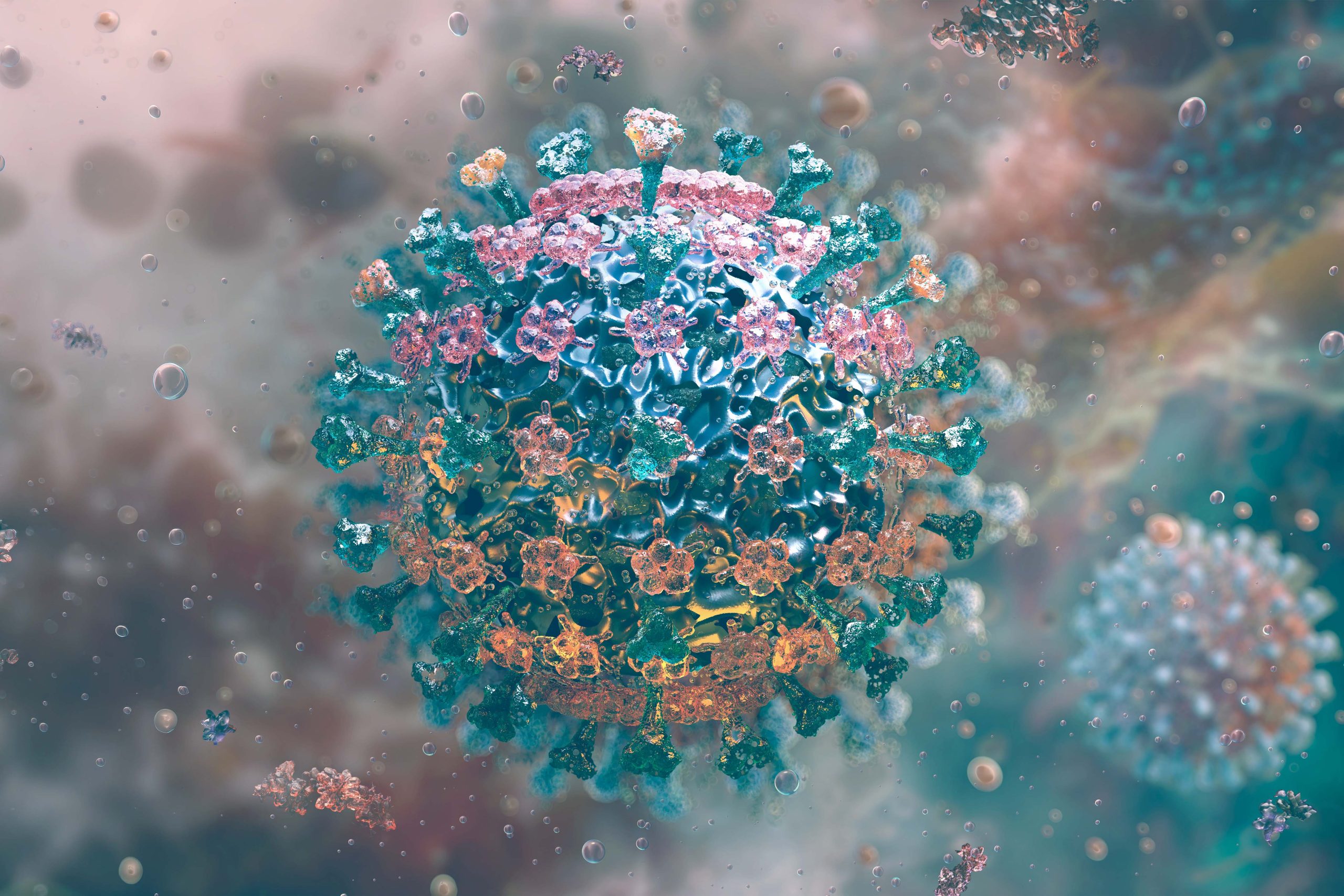
Distemper Overview
What is Distemper?
Distemper is a severe contagious virus that affects the respiratory, gastrointestinal, and central nervous systems.
Risk of Distemper
- All dogs are at risk.
- Puppies under four months and any unvaccinated or immune-compromised dogs are at an increased risk.
Distemper Symptoms
- Pus-like discharge from the eyes/nasal discharge
- Fever
- Coughing
- Lethargy
- Reduced appetite
- Vomiting
- Head tilting, muscle twitches, convulsions, seizures, or paralysis
- Salivation
Distemper Prevention
- Proper administration of vaccinations is the best preventative measure.
- Vaccinations given by a veterinarian should begin at 6-8 weeks of age, with two more boosters given every 3-4 weeks.
- Follow a proper vaccination schedule for puppies and adult dogs.
- Keep vaccinations up to date throughout your dog’s life.
- Avoid public places until fully vaccinated.
- Practice good hygiene and avoid handling other puppies and dogs.
- Keep dogs away from infected animals and wildlife.

Rabies
Rabies Overview
If bitten by an animal, seek immediate medical attention. Report the incident to the Amarillo Animal Management & Welfare Department at (806) 378-3038.
What is Rabies?
Rabies is a preventable viral disease transmitted through an infected animal’s saliva.
Symptoms of Rabies
- Fever
- Headache
- Malaise
- Paralysis
As Rabies progresses, it can lead to neurological issues and death.
Public Health Concern
Rabies has shifted to wildlife over the years, with fewer cases in domestic animals.
Human fatalities are rare due to successful prophylaxis, but the annual expenses for detection, prevention, and control are significant.
Preventing Rabies Spread
- Keep pet vaccinations up-to-date.
- Supervise pets to prevent contact with unknown animals.
- Seek veterinary assistance if your pet is bitten by an unknown animal.
- Remove stray animals from your neighborhood through local animal control.
- Spay or neuter pets to reduce the number of unwanted and unvaccinated animals.
- Avoid direct contact with unfamiliar animals.
After Exposure
If exposed to a potentially rabid animal, wash the wound with soap and water, seek medical attention immediately, and contact Amarillo Animal Management & Welfare Department at 806-378-3038.
Reporting
Provide all known information about the incident, animal type, vaccination status, and capture feasibility for rabies assessment.
Rabies Vaccine and Treatment
- There is no available cure after rabies symptoms appear.
- Effective rabies vaccines exist for post-exposure and pre-exposure prophylaxis.
- Each year, thousands receive prophylaxis, highlighting the importance of prevention.
- Stay informed, act promptly after exposure, and contribute to rabies prevention in our community.
Panleukopenia
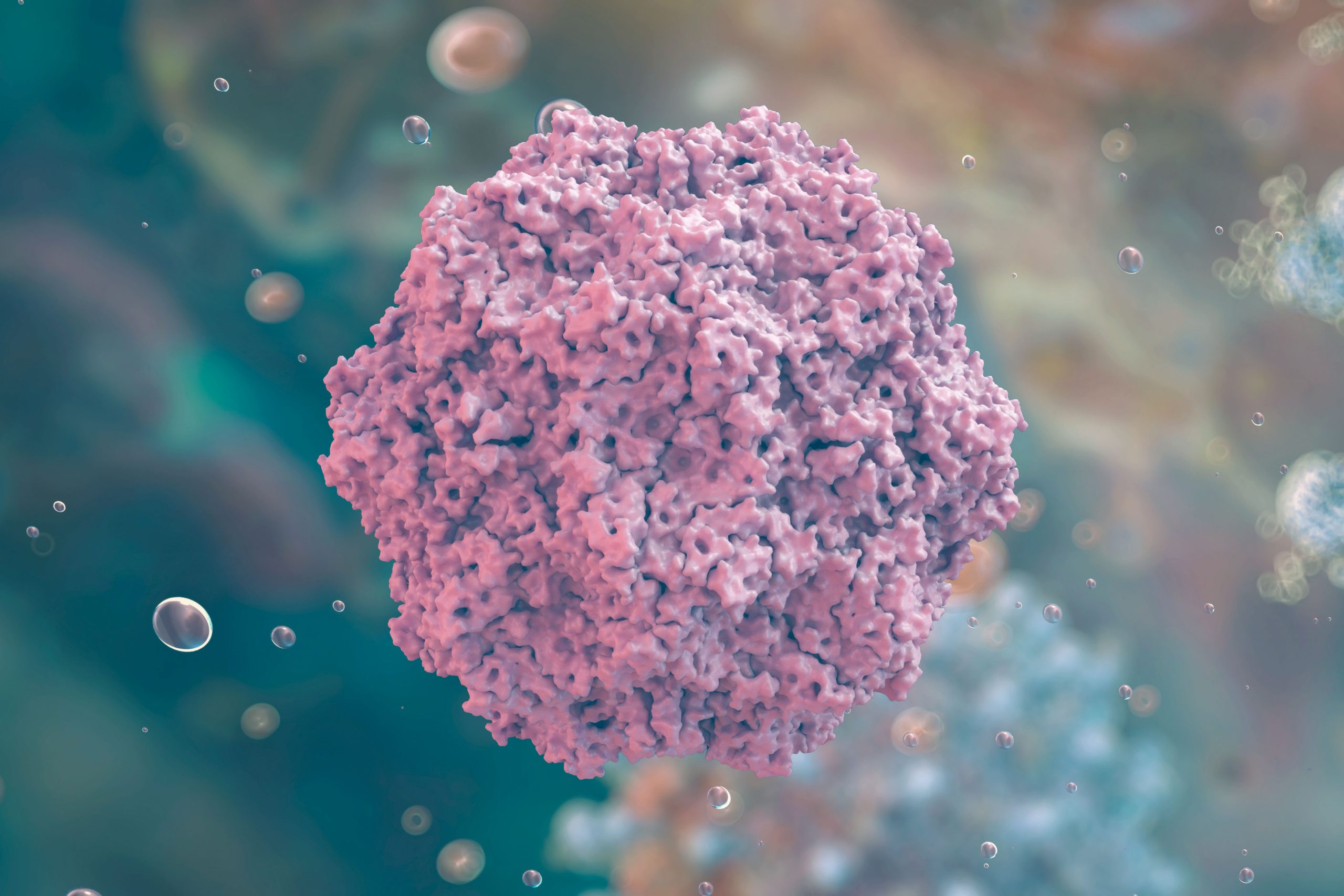
Panleukopenia Overview
What is Panleukopenia?
Panleukopenia is a highly contagious virus caused by feline parvovirus. It is the leading cause of death in cats.
Risk of Panleukopenia
- Kittens 3-5 months old are at the highest risk.
- Any unvaccinated or immune-compromised cats are at risk.
Panleukopenia Symptoms
- Fever
- Vomiting
- Diarrhea
- Anorexia
- Lethargy and depression
Panleukopenia Prevention
- Proper administration of vaccinations is the best preventative measure.
- Vaccinations given by a veterinarian should begin at 6-8 weeks of age; boosters as recommended by a veterinarian.
- Follow a proper vaccination schedule for both kittens and adult cats.
- Avoid letting your cat outdoors unconfined or unsupervised.
- Clean and sanitize bedding, bowls, and toys.
Panleukopenia Treatment
There is no cure for panleukopenia; only supportive care can increase chances of survival. Unfortunately, treatment does not always guarantee survival with this highly contagious disease.
If your cat is sick, consult your veterinarian immediately.
FIV/FeLV
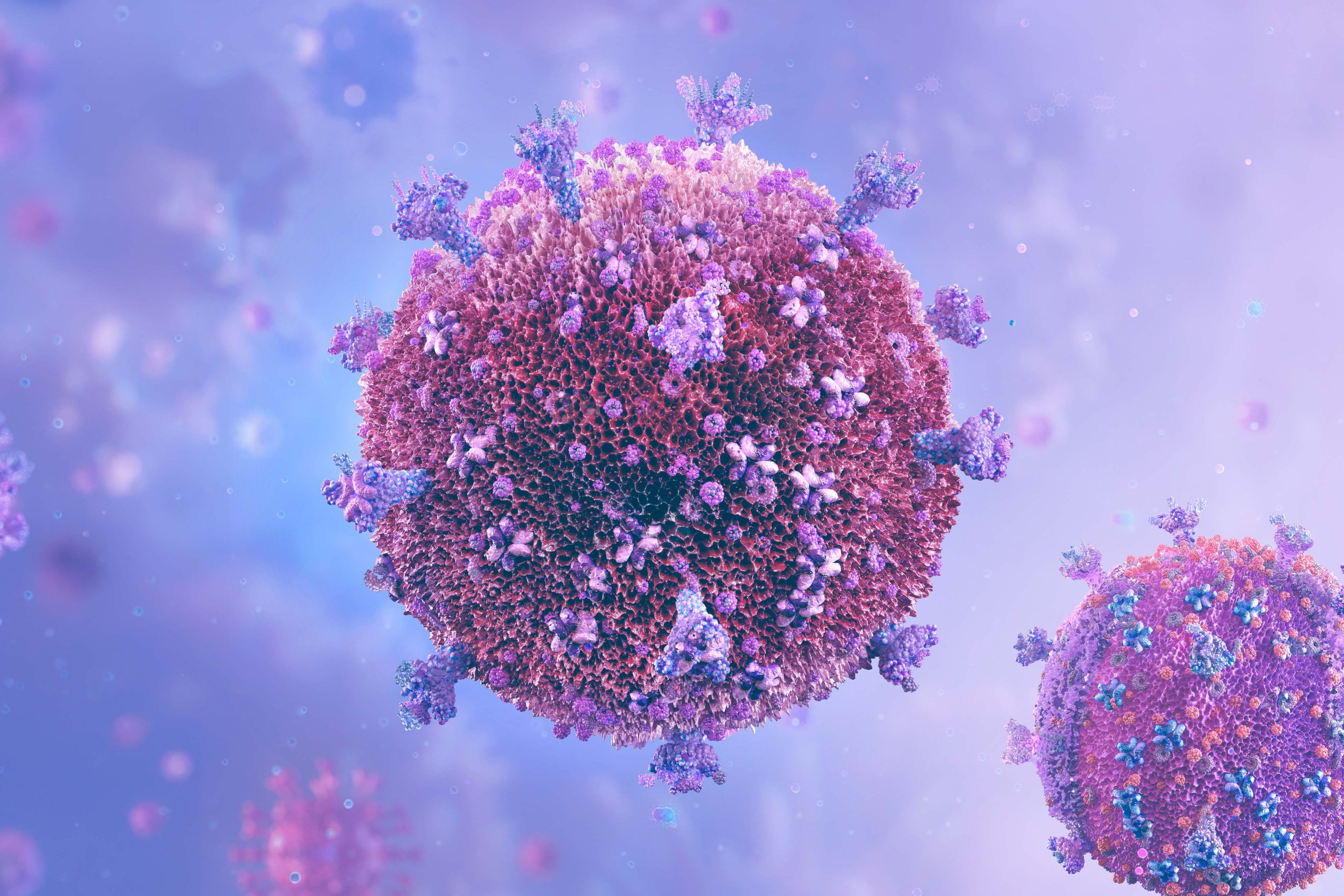
FIV/FeLV Overview
What is FIV/FeLV?
FIV (feline immunodeficiency virus) and FeLV (feline leukemia virus) are both contagious and incurable viruses in cats.
These viruses can be slow-acting and will weaken a cat’s immune system, leaving it susceptible to secondary infections.
Risk of FIV/FeLV
- Kittens and outdoor cats are at the highest risk.
- Any unvaccinated or immune-compromised cats is at risk.
FIV Symptoms
- Fever
- Anemia
- Poor appetite, weight loss
- Diarrhea
- Conjunctivitis (swelling of the third eyelid)
- Inflammation
- Sneezing
- Discharge
FeLV Symptoms
- Fever
- Diarrhea
- Vomiting
- Weight-loss and decreased appetite
- Abscesses
- Inflamed gums
- Icterus (yellowing of the skin or mucous membranes)
- Respiratory distress
- Lethargy
FIV/FeLV Prevention
- Proper administration of vaccinations is the best preventative measure.
- Follow a proper vaccination schedule for both kittens and adult cats.
- Vaccinations given by a veterinarian should begin at 6-8 weeks of age; boosters as recommended by a veterinarian.
- Avoid letting your cat outdoors unconfined or unsupervised.
- Clean and sanitize bedding, bowls, and toys.
- If your cat is sick, consult your veterinarian immediately.
There is no cure for FIV or FeLV; only supportive care can increase chances of survival. Unfortunately, treatment does not always guarantee survival with this highly contagious disease.
If your cat is sick, consult your veterinarian immediately.