
AMW helps pets find loving homes through our adoption services. All adopted pets are spayed or neutered, vaccinated, and microchipped, giving them the best possible start. View adoptable pets below or visit the shelter during business hours to meet animals and start the adoption process.
- CONTACT INFORMATION
- animals@amarillo.gov
-
Front Desk:
806-378-9032 -
Field Officer Request:
806-378-3038 -
Adoptions:
806-378-6483 -
3501 S Osage St
Amarillo, TX 79118 -
Tuesday – Saturday:
10:00 am – 6:00 pm
Adoptable Pets
Click on a photo to learn more about a pet. You can filter by species, breed, and more. Remember, you don’t need an appointment to come see a pet you are interested in adopting.
Pet Adoption Program
Pet Adoption Fees
Expand for details
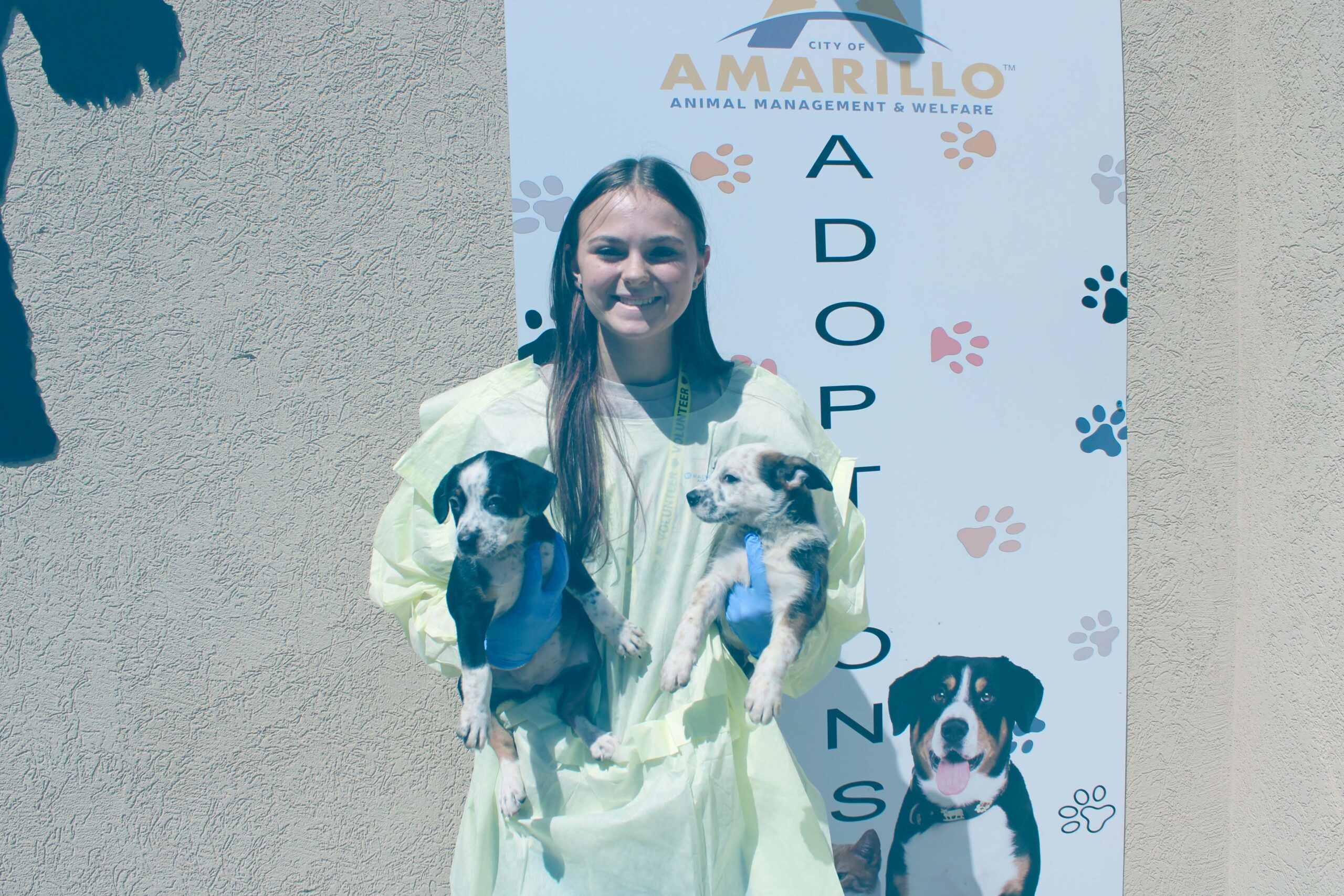
Your pet’s adoption fee covers their spay/neuter, age-appropriate vaccines, and microchip.
Puppies under 4 months: $50
Adult Dogs 4 months-7 years: $40
Senior Dogs 7 years or older: $30
Kittens under 4 months: $30
Adult Cats 4 months or older: $25
Adoption Guidelines
Expand for details
- Adopter must be 18 years or older.
- Your new pet must have access to food, water, and shelter at all times.
- A lifetime commitment must be made to the animal, and the animal must be kept as a pet.
- Complete the final adoption paperwork with the Adoptions Office.
- Adopted animals are not permitted to leave the facility unless they are secured by a leash/collar or carrier provided by the adopter.
Adoption Process
Expand for details
All adoptions are first-come, first-served, meaning AMW does not hold or reserve animals. Appointments are NOT required to meet any of our animals, just visit the Adoptions Office during business hours.
If you currently have a dog, we encourage you to bring them for a meet-and-greet when adopting another dog to help ensure compatibility. Meet-and-greets are encouraged but not required.
If you plan to introduce your dog to a puppy, please ensure the following requirements are met:
- Your dog must be 6mo or older
- Your dog must be current on vaccines
- Must provide proof of vaccination
AMW does not facilitate inter-species meet and greets.
Surgery Pickup
Expand for details
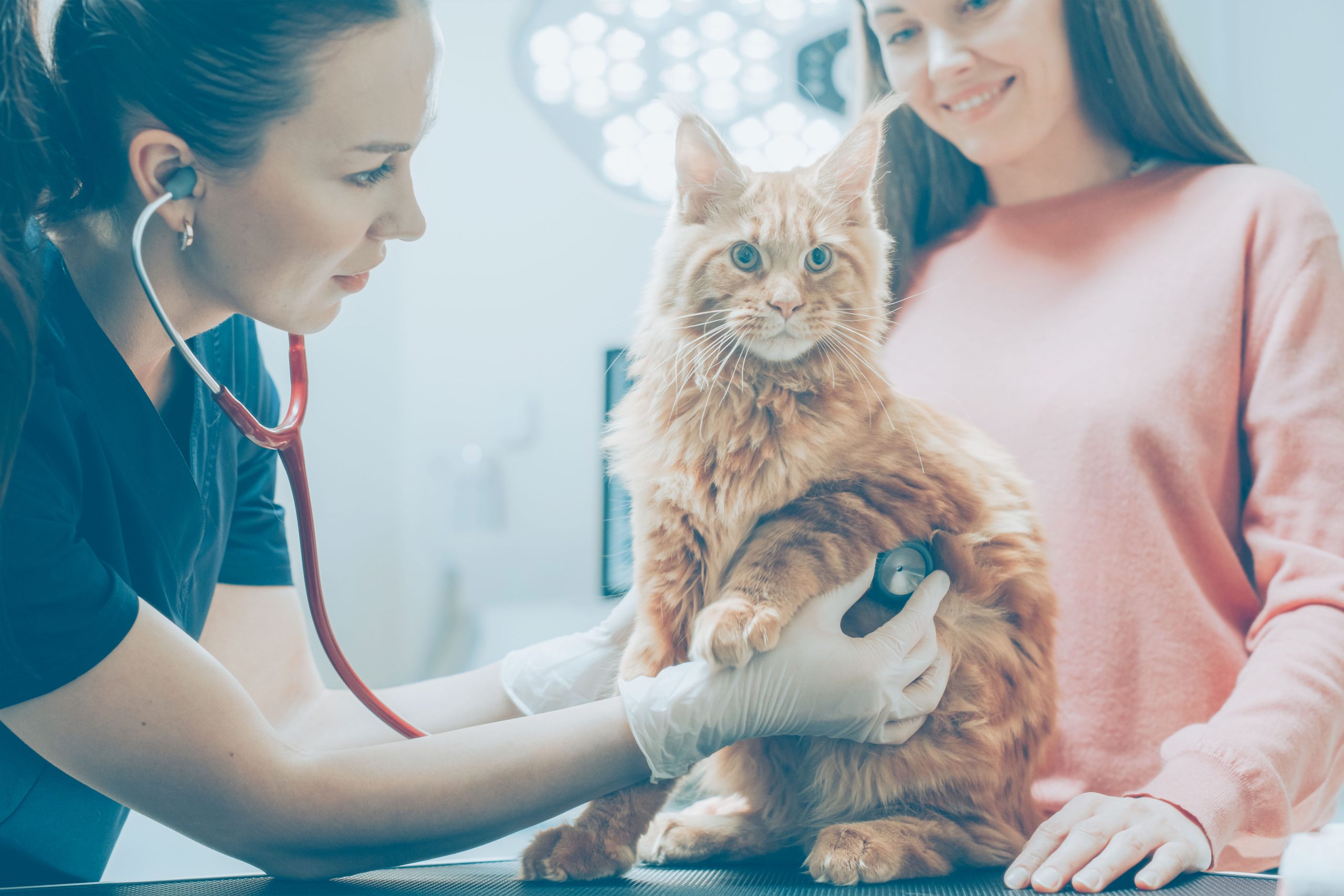
It will take approximately 1-4 days for your animal to have surgery after being adopted. Adopters will receive an email and call from our Medical Team once the animal is scheduled for surgery and when they are ready for pickup.
Adopted animals that have not been picked up within 24 hours of surgery will be made available for someone else to adopt. No refunds will be issued.
Surgery After-Care
Expand for details
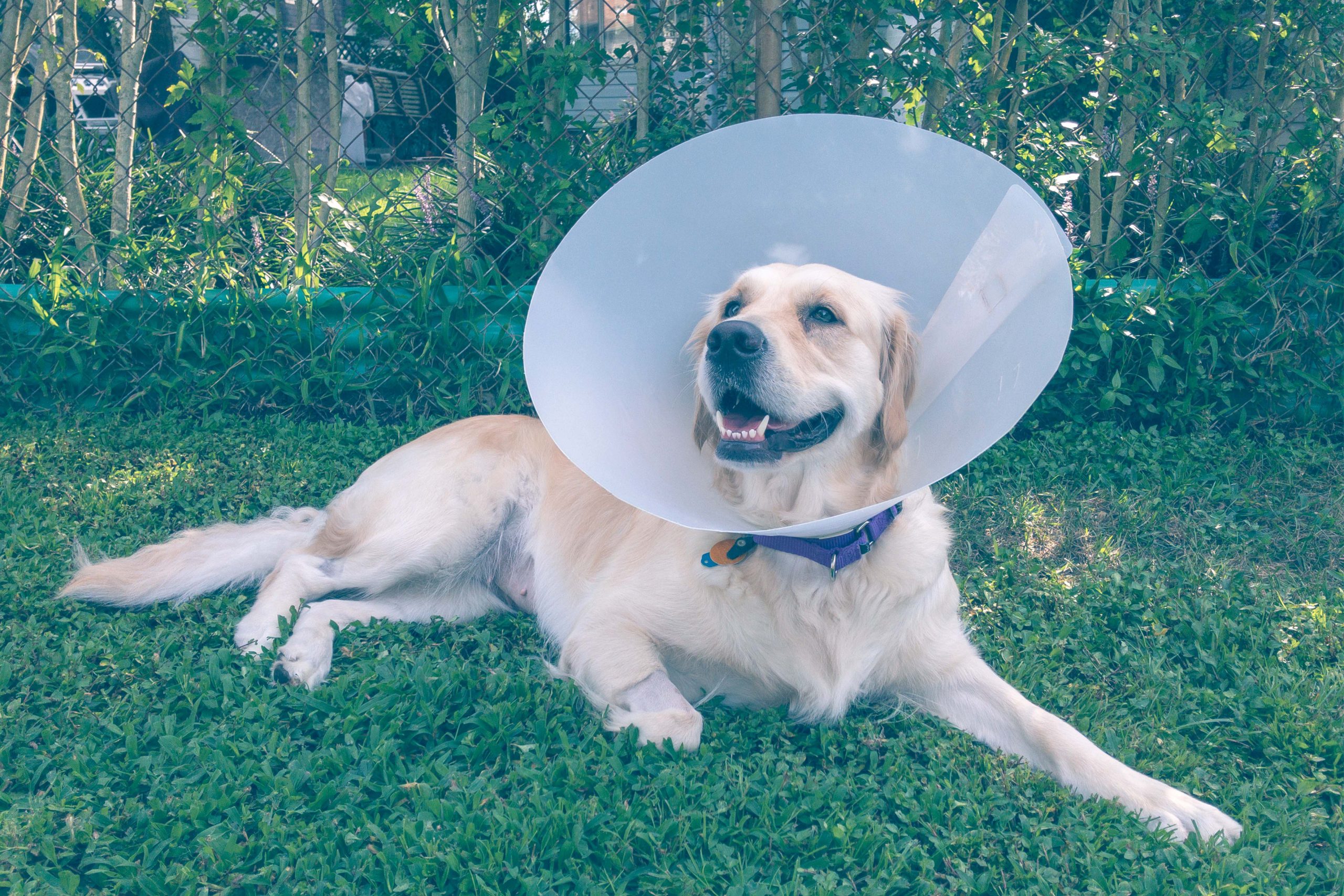
Keep surgical incisions dry. Do not bathe your pet for a minimum of two weeks. You can spot-clean your dog or cat with pet-friendly wipes or use dry shampoo.
Prevent your pet from licking, scratching, or chewing the incision.
Use an E-collar (Cone) to mitigate the risk of potential post-operative complications.
Please avoid excessive running, jumping, and play with your pet to reduce the risk of swelling around the incision site. This can lead to premature suture dissolving, incision opening, and potential medical expenses that would be your responsibility.
Inspect the incision daily until fully healed.
Friendly Reminders:
- Male dogs and cats can still impregnate an unsterilized female up to one month after surgery. Please keep a close eye on your pet.
- Your pet may demonstrate changes in appetite or energy levels post-surgery.
- If you are concerned about your animal’s post-surgery recovery, please consult your veterinarian.
Barn Cat Program
Adopting a Barn Cat
Expand for details
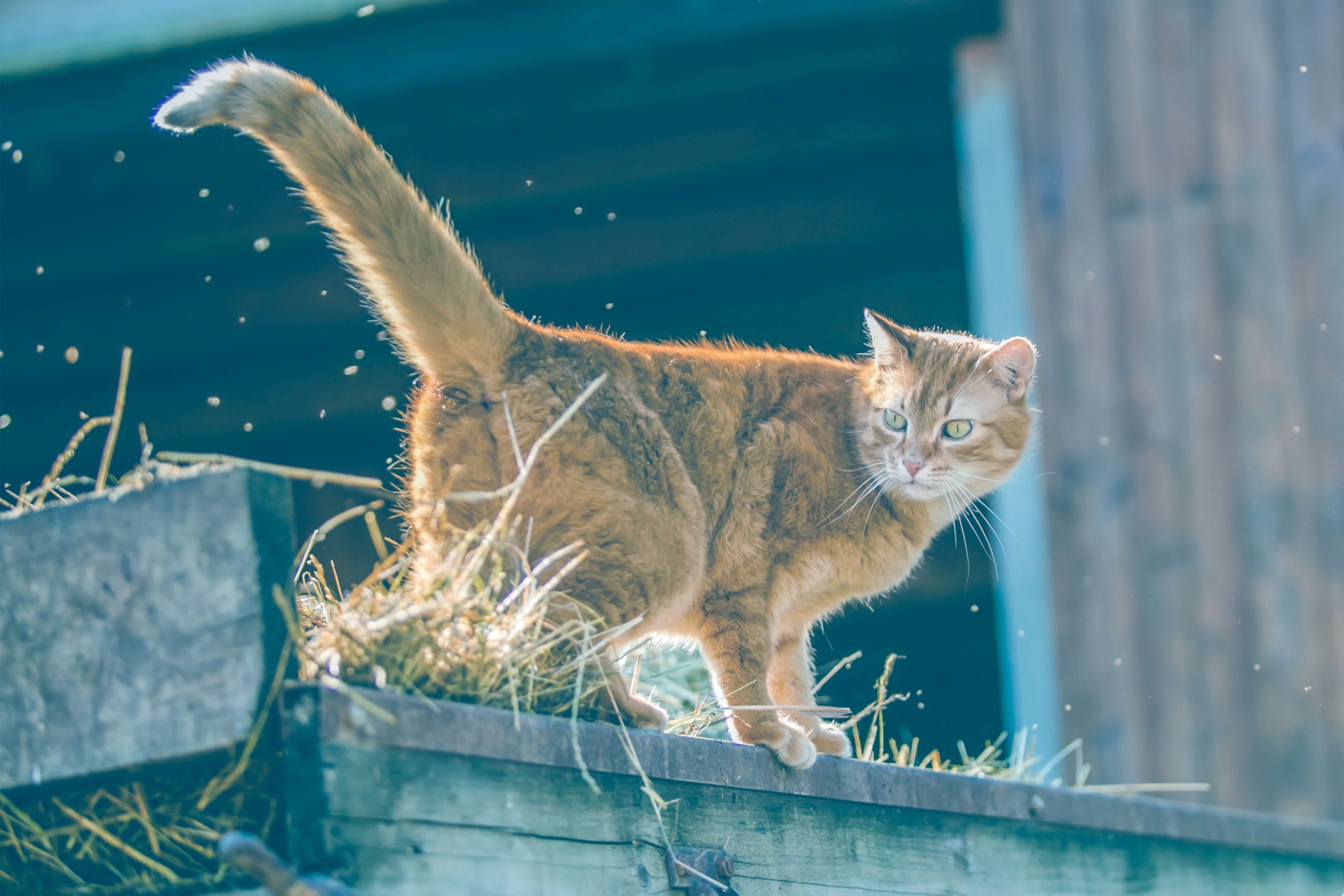
A barn cat is a cat who is not suited for traditional adoption as an in-home pet.
Your barn cat will provide you years of eco-friendly pest control if the proper steps are taken to ensure its comfort, safety, and survival.
There is no adoption fee for barn cats since they are providing a community service.
Email amwrescue@amarillo.gov to be added to the list of potential adopters. As suitable barn cats become available, adopters will be contacted.
Vetting and Aftercare
Expand for details
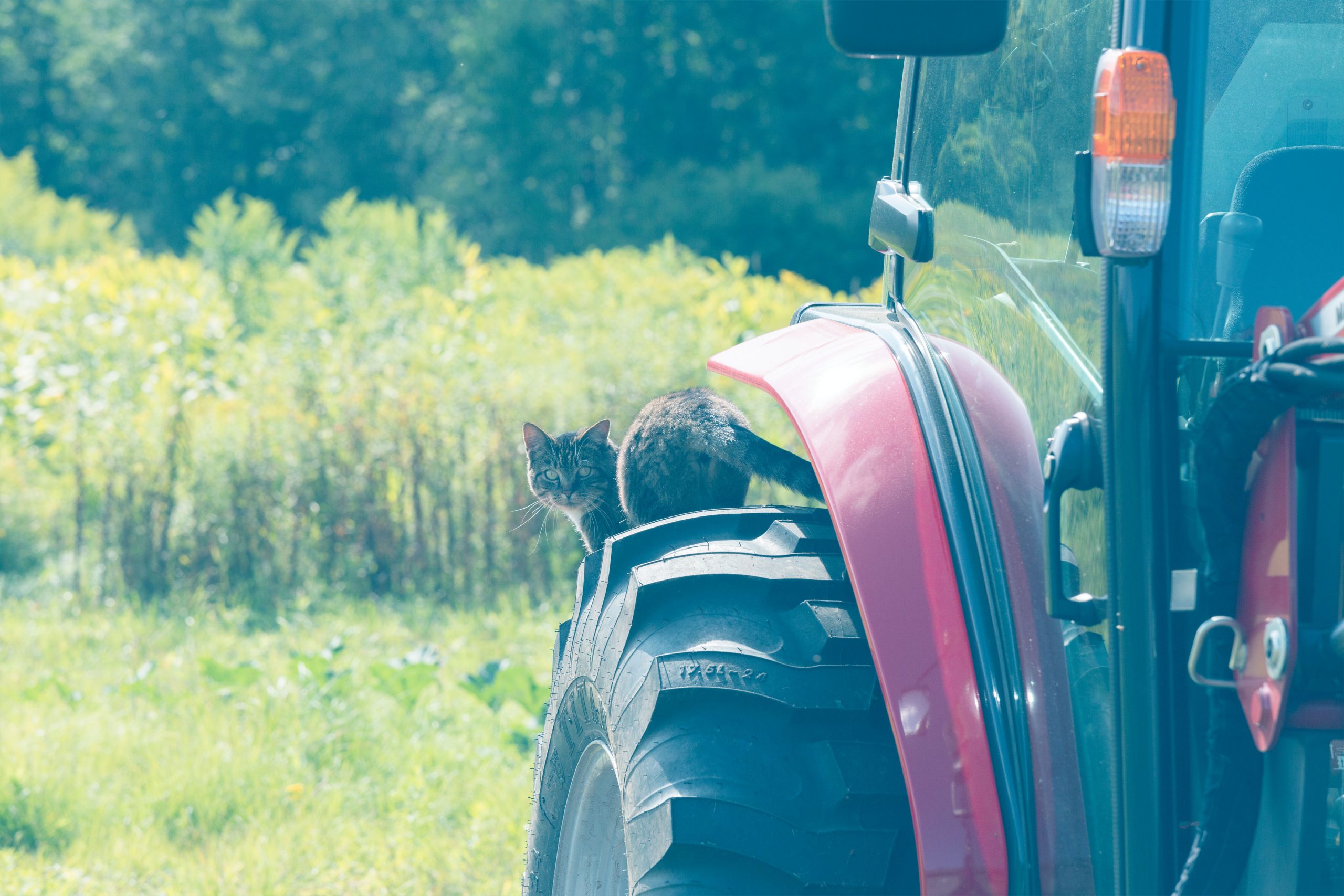
All barn cats are spayed/neutered, vaccinated, and ear-tipped before leaving AMW. When you pick up your barn cat, you may notice some redness or mild inflammation at the incision site. This is normal, and there is no need to worry—your cat received medications at the time of surgery to help manage pain and prevent infection.
Barn Cat NEeds
Expand for details
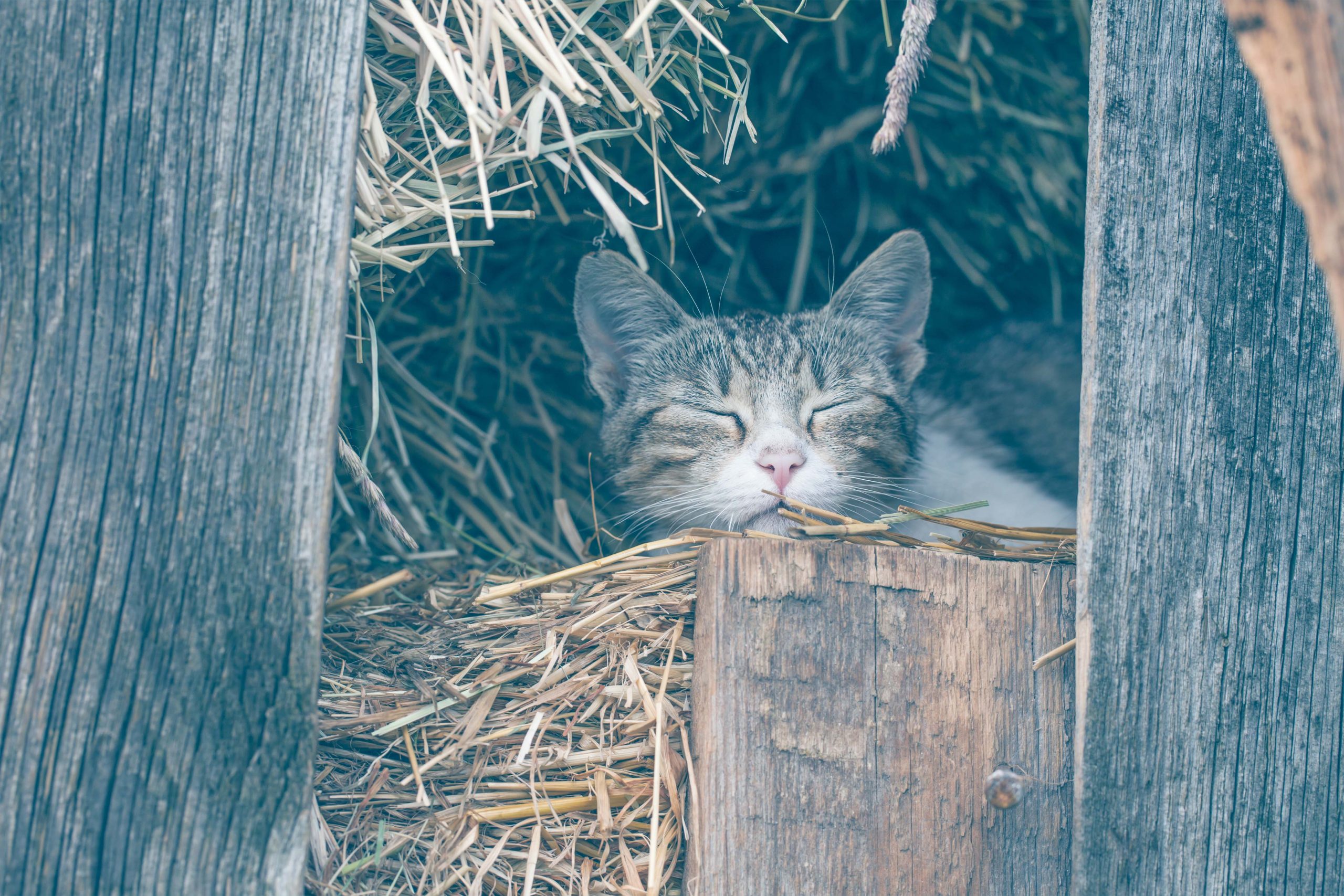
Barn cats will deal with the pests in their area but usually will not eat what they kill. At a minimum, you will need to put out food and water once a day for your barn cat, more often during the summer months. Without food and water, your barn cat will eventually leave.
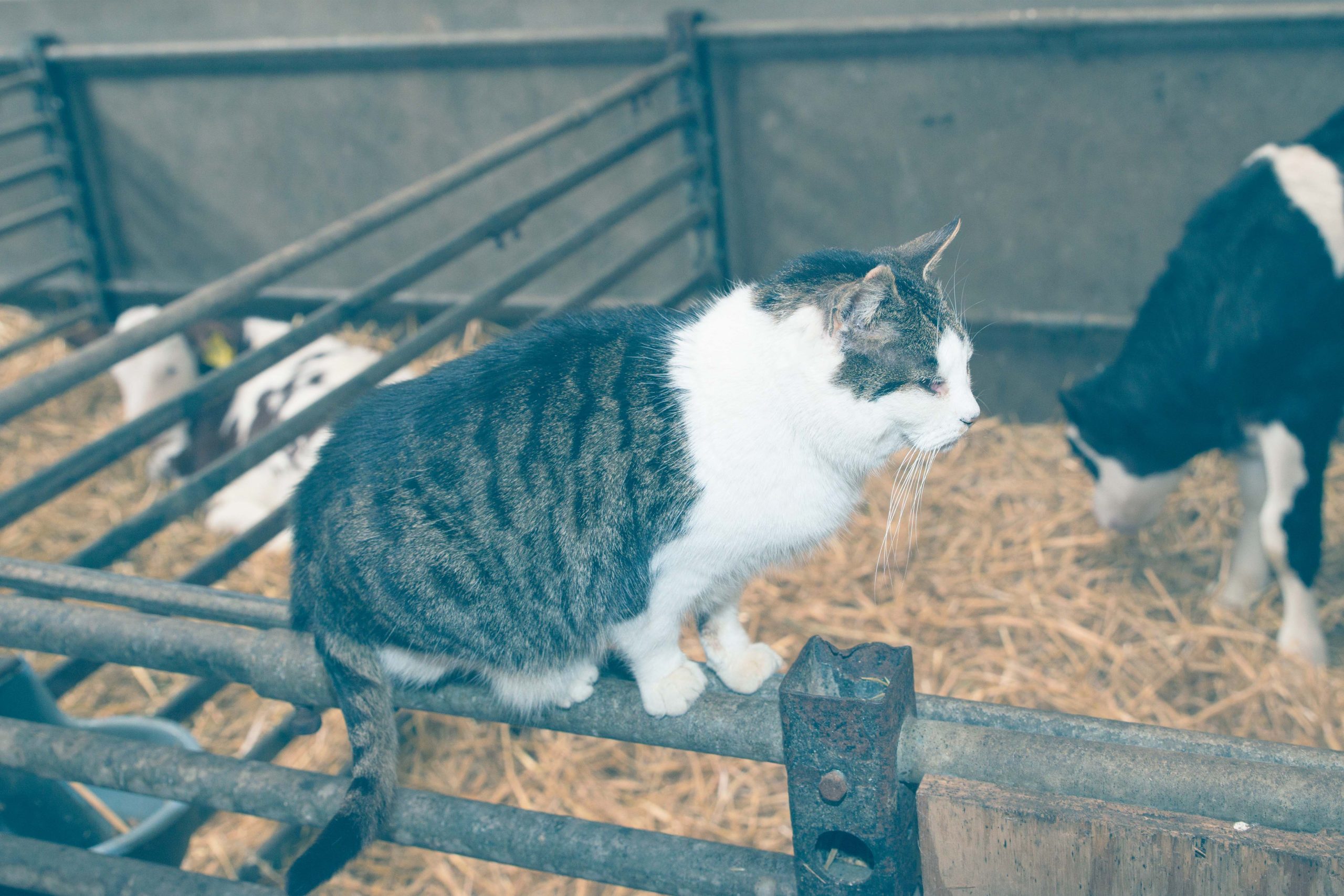
Your barn cat will also need a place to hide and rest. This could be a barn, a shed, a workshop, or any structure that provides shade, shelter, and protection.
Acclimation
Expand for details
Studies show that an acclimation period of two to three weeks will increase the likelihood that your barn cat will remain on their new property.
Upon going home with your new barn cat, release it into its new shelter area with food, water, places to hide, and a litter box. Keep the barn cat shut in its new shelter area for two to three weeks, providing new food, water, and litter as needed.
Once the two to three weeks is up, open the door and allow your new barn cat to go out and explore. It is not out of the ordinary for some barn cats to stay hidden for a few days after their release.
Be patient, your new barn cat will make itself known as it becomes comfortable with its new surroundings.
Important reminders
Expand for details
- Barn cats must be provided with food and water on a regular basis.
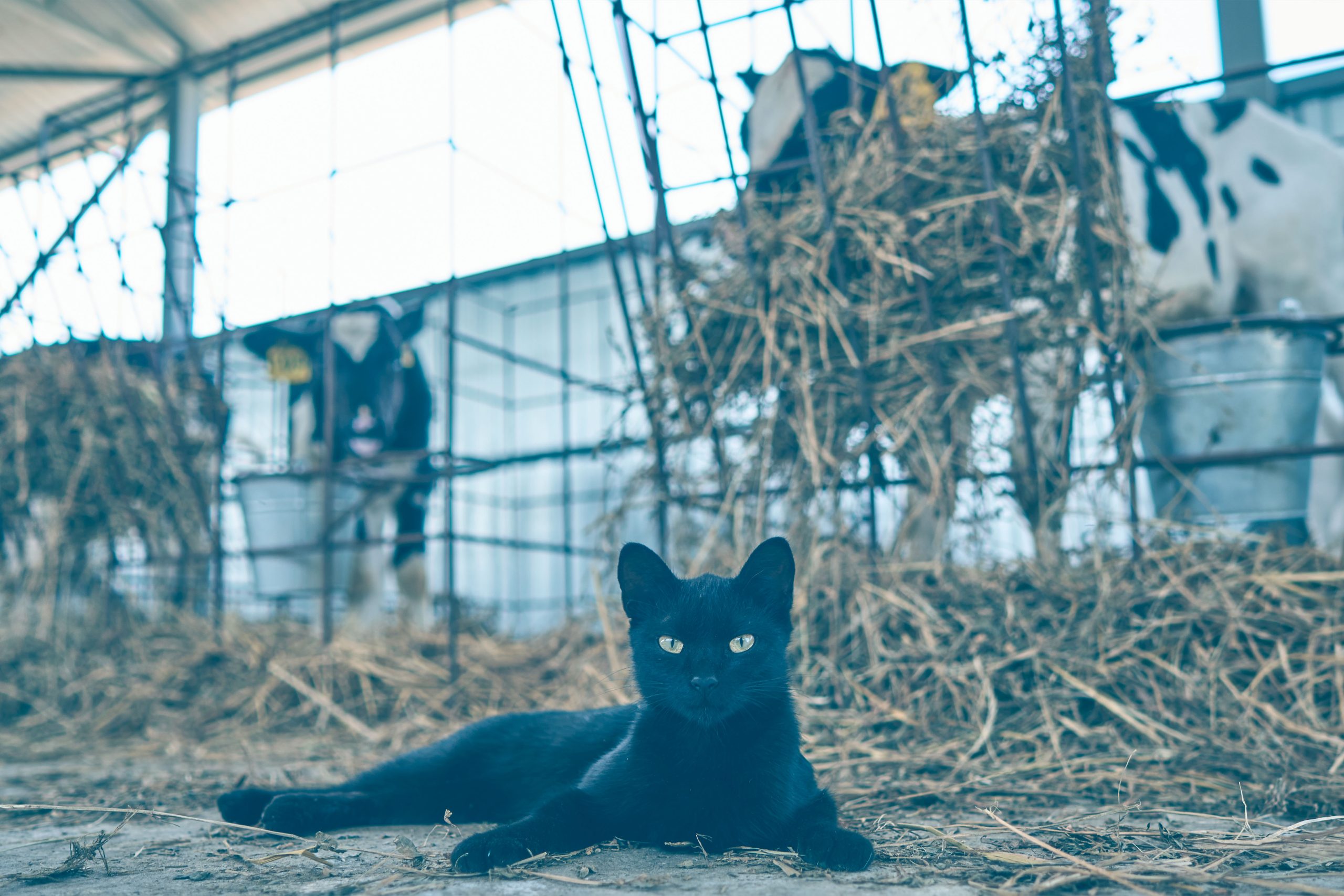
- Barn cats must have access to shelter.
- Two or more barn cats is always better than one.
- Multiple barn cats increases the effectiveness of the provided pest control, the likelihood of the cats remaining on the property, and decreases the likelihood that your barn cat will become prey.
- Barn cats are NOT pets.
- Your barn cat was placed into the barn cat program because it was deemed unsuitable for adoption as a pet.
- DO NOT handle or allow others to handle your barn cat
- DO NOT allow your barn cat to live in your home.